
Before Choosing an OEM PC Manufacturer: 5 Essential Product Decisions for Brand Owners

Daisy Li
Display Solutions & Product Technology Expert
Specializing in OEM/ODM smart display solutions from 21.5″ monitors to 110″ interactive flat panels, with expertise in product configuration, system integration, quality control, and bulk project delivery for global B2B markets.
Follow me:
Most brand owners spend a lot of time evaluating OEM computer manufacturers on price and lead-time. But the decisions that really influence a product launch’s success are made long before you ever send a quote request.
Unclear hardware specs, unrealistic customizations or missed compliance demands might lead to months of rework and additional expenditures related to minimum order quantities. These are common problems for experienced sourcing teams and most may be avoided with proper planning at the outset.
Here are five product decisions every brand owner should work through before approaching an OEM PC manufacturer.
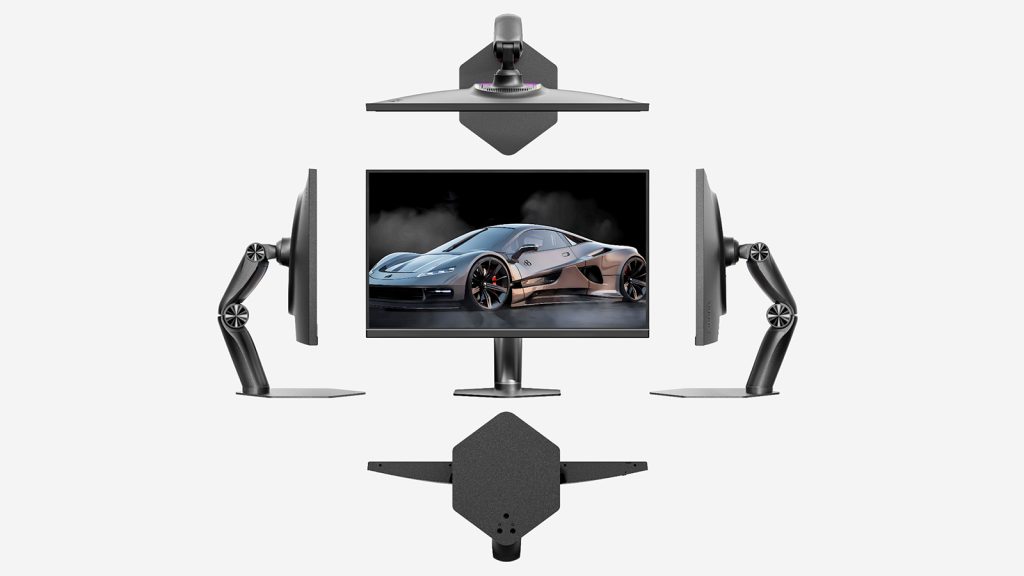
1. Define the Target User and Their Specific Use Cases
Before thinking about specs, think about people. Who will use this machine, and what will they need it to do every day? That one question determines nearly all the hardware decisions that follow.
Different deployment environments come with very different requirements:
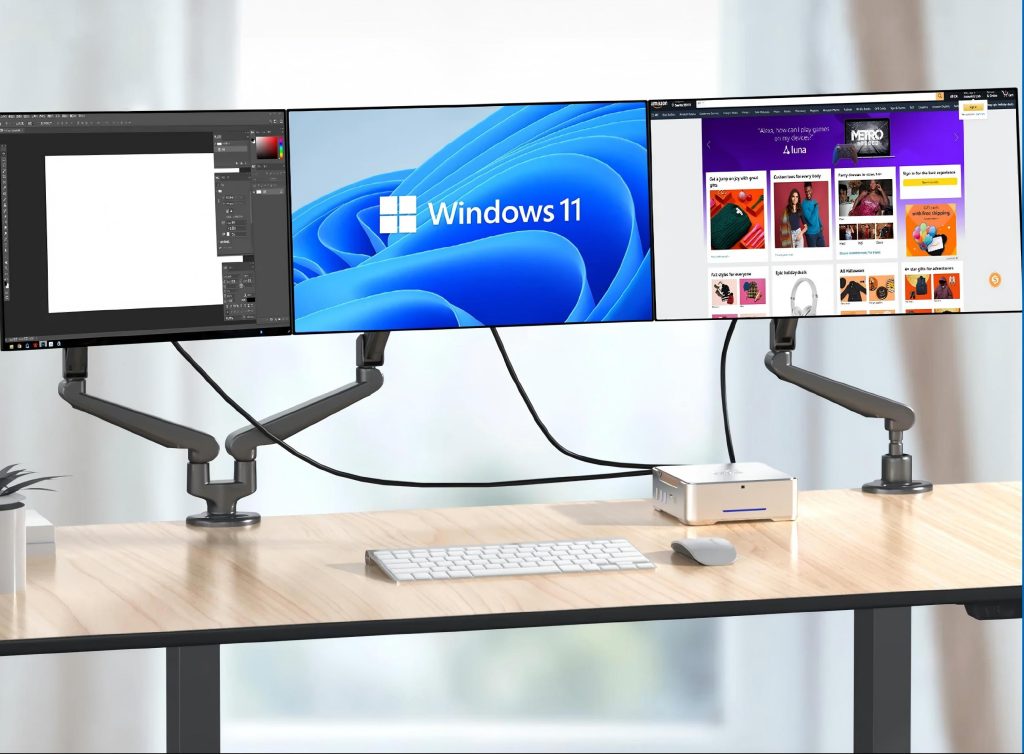
- Corporate workspaces: Users frequently require silent operation, reliable support for multiple monitors, solid connectivity and rock-solid performance for everyday multitasking over a long period of time. Long-term stability and ease of deployment are typically more significant than maximum computer capability.
- Industrial and kiosk environments: Machines located in retail checkouts, manufacturing floors and self-service stations are subjected to dust, heat and frequent operation. They often have to connect to legacy equipment via COM ports or RS232 interfaces. It’s worth investigating fanless or more aggressive active-cooling designs here.
- Education sectors: Budget and durability usually take precedence. Resistance to rough handling and long replacement cycles matter far more than high-end performance.
Mapping your target user to a real deployment context early means your hardware brief reflects what the product actually needs to do, not just what looks good on a specification sheet.
2. Choose the Right PC Category and Hardware Platform
Knowing who you are developing for makes the form factor choice a lot easier. Every product category has its trade-offs and it’s good to know them before you become locked into a platform.
- Mini PCs: Ideal for digital signage, space-constrained organizations and edge computing use cases. Their compact build makes thermal design, port layout, and long-hour operating stability especially critical engineering considerations.
- All-in-One (AIO) systems: Best for front desks, classrooms, shared workspaces and service counters where you want a neat, integrated setup. The main challenge is to find a compromise between display quality, internal cooling and serviceability in a tiny chassis.
- Laptops: Designed for mobile workers and students. Other considerations beyond performance in product planning include battery safety, hinge durability, keyboard layout, and everyday transit needs.
Here’s a short reference for the essential specs to define each product type:
| Product Type | Key Specifications to Define |
| Mini PC | CPU platform, RAM and storage, display outputs, I/O ports, cooling design, network connectivity |
| All-in-One PC | CPU platform, display size and resolution, touch option, webcam, mounting method, cooling and upgrade access |
| Laptop | Screen size, CPU platform, battery capacity, charging port, keyboard layout, wireless connectivity, durability requirements |
3. Decide Exactly What Must Be Customized
Not every brand owner needs a fully custom design, and not every project justifies the added time and tooling cost. One of the first and most practical decisions you will make is to align your customisation tier with your real business stage.
PC customization can range from white-label products based on an existing platform to fully customized OEM or ODM projects. The right level depends on your volume, schedule, technical requirements, and need for product differentiation. Here’s a rough breakdown:
| Customization Tier | What It Typically Includes | Indicative Timeline | Best Suited For |
| Standard White-Label | Existing chassis, logo placement, standard I/O ports | 2-4 weeks | Startups testing a new market, or brands needing quick inventory |
| Semi-Custom | Modified RAM/storage, I/O configuration options, port adjustments, custom packaging | 4-8 weeks | Growing B2B brands with specific configuration requirements for corporate clients |
| Full OEM / ODM | Custom motherboard layout, proprietary chassis tooling, unique cooling design | 3-6 months | Established enterprises requiring purpose-built, exclusive hardware |
*Actual timelines are highly variable depending on component availability, extent of engineering, tooling, software integration, test, certification and volume of order.
A good OEM PC manufacturer will be honest and straightforward about what tier will work for your volume and schedule, instead of pushing a full custom build when a semi-custom setup will be just fine.
4. Set Your Branding and Software Requirements
Hardware Branding (Private Labeling)
The visual aspect of private label PCs warrants additional consideration from many brand owners upfront.
- Exterior aesthetics: Screen printing is a cheaper alternative for larger white-label orders. Laser engraving and custom chassis colors are more suitable to higher-end positioning where perceived build quality can affect buying decisions.
- Custom packaging: The unboxing experience counts, especially for products sold through retail or reseller channels. Branded, drop-tested packaging secures the gadget in shipping, and speaks to product quality before anyone even powers the unit on.
Software and System Imaging
- Custom BIOS and boot logos: With a custom logo on the BIOS and boot screens, you can display your brand’s logo from the moment the power button is touched, which adds a level of professionalism. It’s easier to forget during the planning, and more difficult to add after.
- Pre-installed operating systems: Decide in advance if the product requires a normal Windows 11 Pro image, Windows IoT for kiosks or embedded devices, or a Linux distribution for developer-centric or specific-use apps. This definition early on prevents delays in system imaging and manufacture.
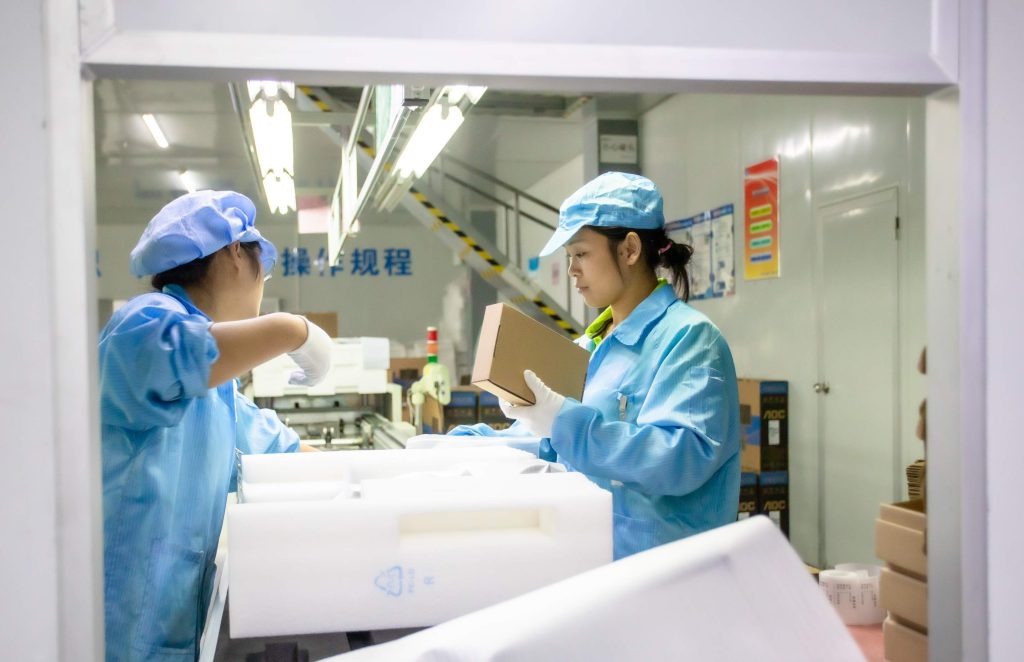
5. Define Your Commercial and Supply Requirements
This is where many projects encounter unexpected friction. Getting the commercial terms right early helps avoid unnecessary back-and-forth later.
- Understanding MOQ realities: Minimum order quantities might differ greatly based on the kind of chassis, component configuration and level of customization. Projects that need custom tooling usually need bigger volumes than either conventional or semi-custom products. Before you start negotiating, know your initial test batch size and be realistic about what you can move in the first six months.
- Component lifecycles (EOL): Business customers may need to reorder the same system one or two years later. Ask your manufacturer about their end-of-life roadmap for the motherboards and critical components they use. A transparent manufacturing partner will be honest with you here. It is important to understand this as it impacts your long term support commitments to your customers.
- Compliance and lead times: Market-access certifications, EMC standards, safety requirements and material compliance restrictions (such as RoHS) differ by target region. Before you make specific date guarantees to consumers, make realistic supply chain lag periods part of your delivery promises. Before finalizing the design, check if certifications, test reports, labelling and local-market restrictions apply to your region.
Turning Your Hardware Blueprint into a Reality
Going through these five decisions before you go to any OEM PC manufacturer puts you in a much better position. You’ll have more transparent interactions, fewer surprises in the middle of a project and a product brief that truly reflects what you need to bring to market.
At Tenfly, we’ve been working with worldwide companies in the corporate, education and industrial sectors for over 30 years. Whether you are considering a standard white-label system or planning a more customized OEM or ODM project, we can help you evaluate the right path.
Contact Tenfly today for a free consultation.