
IPS vs. VA Panels: Which Is Better for Commercial Interactive Displays?

Daisy Li
Display Solutions & Product Technology Expert
Specializing in OEM/ODM smart display solutions from 21.5″ monitors to 110″ interactive flat panels, with expertise in product configuration, system integration, quality control, and bulk project delivery for global B2B markets.
Follow me:
Your client presentation has finally arrived. Everything has been prepared—room is booked, slides prepared—yet someone in the back row claims they cannot read the screen clearly. Sound familiar?
Choosing the right commercial display is more than just size and resolution of the screen. Panel technology plays an important impact in how well material is viewed from several sitting positions and lighting situations.
This guide details the key differences between IPS and VA panels, their functions in real meeting room environments, as well as how you can choose and install commercial interactive displays suitable for your space.
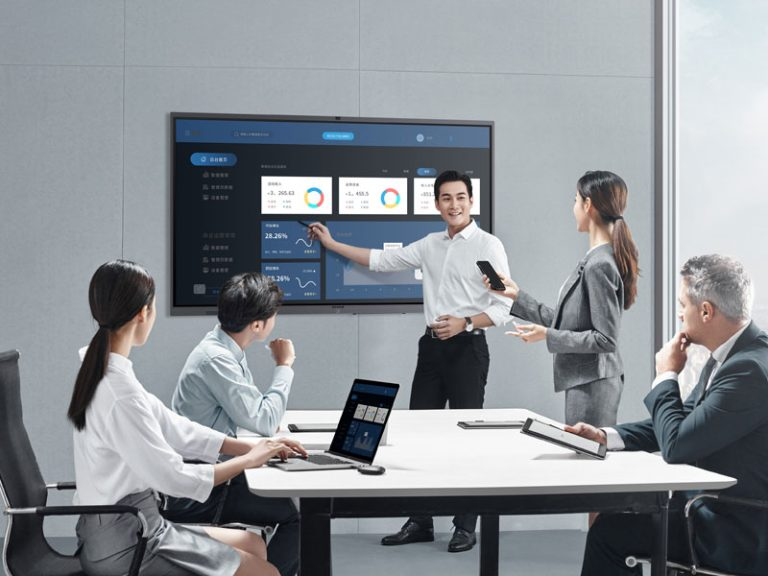
Why Panel Technology Matters for Commercial Displays?
Panel type affects much more than simply picture quality—it also influences the entire group viewing experience for working environments where multiple viewers share screens simultaneously.
The “Bad Seat” Problem in Large Conference Rooms
At large meetings, not everyone can sit directly in front of the screen. Depending on the panel type, viewers sitting at wider angles may notice color shifting or reduced brightness.
This can often occur in boardrooms and training rooms where seating wraps around a long table. With the wrong panel type, people seated at the sides of the room may see colors and brightness differently from those sitting directly in front of the screen.
Screen Performance Changes Under Different Lighting Conditions
An LCD panel that appears satisfactory in the showroom may perform differently once installed in an actual work environment. Low-contrast displays may wash out in spaces with strong natural lighting conditions while dark rooms often showcase “IPS glow“, or faint backlight bleeding into dark environments.
Understanding how each panel type handles ambient lighting will help avoid unpleasant surprises after installing hardware.
Multi-Viewer Readability Matters in Meeting Rooms
Commercial interactive displays differ from personal workstation monitors in that they can be shared among multiple individuals at the same time.
Consistent colors from different viewing angles allow everyone in the room to understand charts, spreadsheets and presentations on the display more precisely. Small differences may look unimportant initially but even minor deviations may lose credibility in the otherwise perfect presentations.
The Core Difference Between IPS and VA Panels
IPS and VA are two types of LCD panel technology that employ liquid crystals and backlight to create images but what mainly differentiates them is the orientation of their liquid crystals—which leads to drastically different performance characteristics in real world usage.
IPS Panels: Ideal for Collaborative Environments
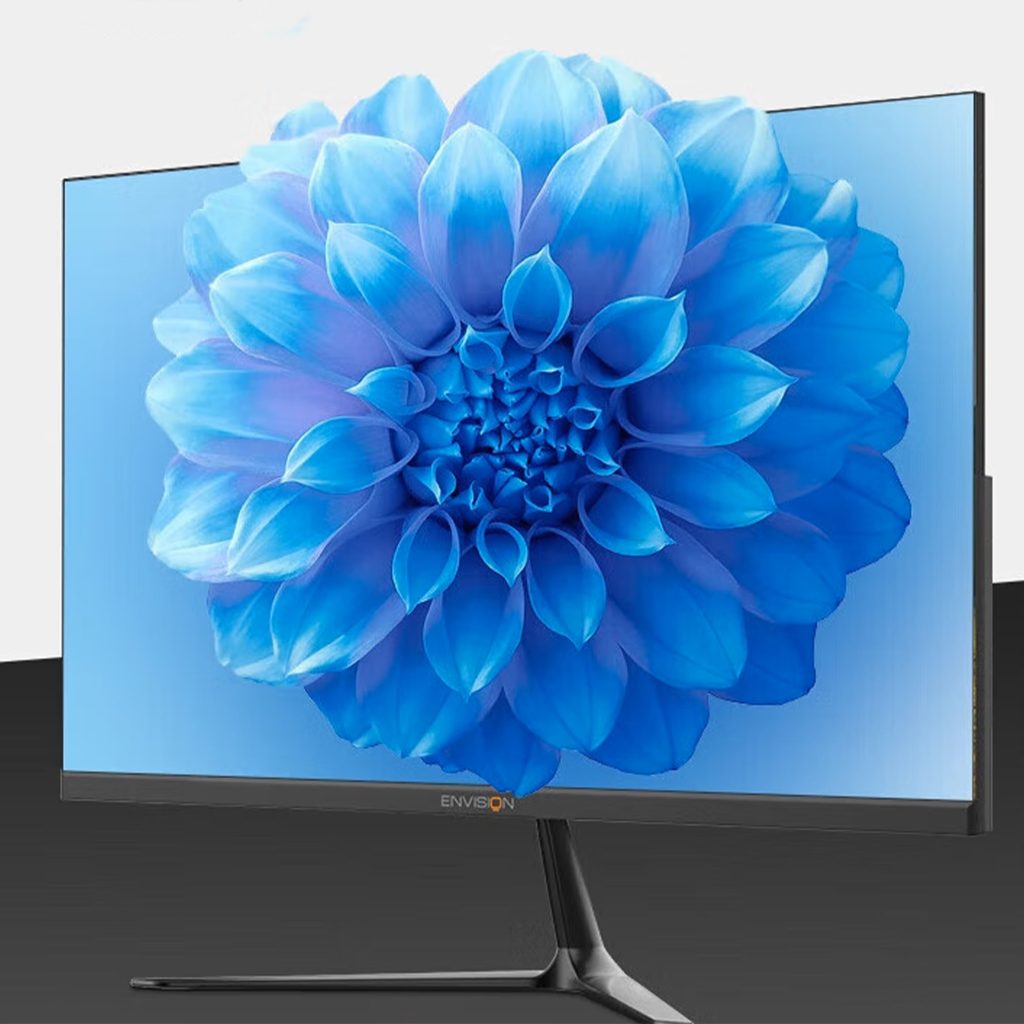
IPS (In-Plane Switching) technology aligns the liquid crystal molecules parallel to the glass , letting the light to pass through more uniformly at wider viewing angles .
Pros
- Consistent Wide Viewing Angles: Up to 178°; colors remain true from practically any seat in the room.
- High Color Accuracy: Text, charts and branding images appear exactly as intended regardless of who’s viewing them.
- Stable Off-Axis Brightness: The brightness is more uniform across a room even when viewed from different directions, providing a superior viewing experience for viewers in diverse rooms.
- Bright-Room Friendly: IPS usually performs well under both fluorescent and natural illumination.
Cons
- Lower Contrast Ratio: Blacks can look greyer than VA panels.
- IPS Glow in Dark Rooms: IPS glow or backlight bleed can be more evident in a dark room.
VA Panels: Good for High Contrast and Controlled Lighting Conditions
VA ( Vertical Alignment ) panels arrange liquid crystal molecules vertically , so they block more backlight for dark situations .
Pros
- High Contrast Ratio: Usually 3000:1 to 5000:1, these photos have more depth, shadow detail, and overall visual richness.
- Deep Black Levels: Improves video playing and slide shows in low light circumstances.
- Strong On-Axis Color: Color reproduction is accurate when viewed at eye level.
Cons
- Narrower Practical Viewing Angles: Noticeable color and brightness variations when viewed from the sides.
- Gamma Shift Off-Center: Charts and colour data may look different to persons at an angle.
Here is a basic breakdown of IPS and VA panel technologies to make understanding them easy.
Comparison Table
| Feature | IPS | VA |
| Viewing Angle | Excellent—consistent to 178° | Average—color shift at wider angles |
| Contrast Ratio | Good—typically 1000:1 | Excellent—3000:1 or more |
| Color Accuracy | Highly consistent across angles | Good on-axis, varies off-center |
| Clear Office Visibility | Good for ambient light decent | Adequate; contrast advantage less obvious |
| Dark Room Performance | IPS glow might be visible in dark rooms | Deep blacks shine in low light |
| Best Commercial Use | Large conference rooms, collaborative work areas, video conferencing | Single-viewer settings, low-light presentation rooms |
Why Most Commercial Interactive Displays Use IPS Panels?
1. Reliable at Any Viewing Angle
People rarely sit perfectly centered when in public spaces; with IPS wide viewing angles technology, color and brightness remain consistent from any viewing angle so the display looks good whether viewed straight on or sitting off to one side at the table.
2. Accurate Color for Data and Branded Content
Color authenticity is crucial when visualizing charts, dashboards and brand visual content, which IPS screens do consistently, thus decreasing chances of misreading data or off-brand colors that decrease display quality over time.
3. Works Well in Unpredictable Lighting
Office lighting conditions rarely offer uniform illumination. IPS excels at meeting this challenge in all environments from fluorescents overhead to natural sunlight with no contrast or tone shift issues that might otherwise arise with other panel types.
4. Suited for wide-angle collaboration
IPS technology has become more popular for interactive displays and collaboration screens in business meeting venues due to its wider viewing angles and improved visibility for many users. Another key reason IPS displays and digital whiteboards have become so popular is its exceptional color consistency across different viewing angles.
VA panels still hold their place for applications that involve fixed audiences such as auditoriums or dedicated screening rooms—where deep blacks and high contrast create real visual impact. When lighting is controlled and viewing is one-directional, compromise for viewing angles is easier to accept.
Next Steps
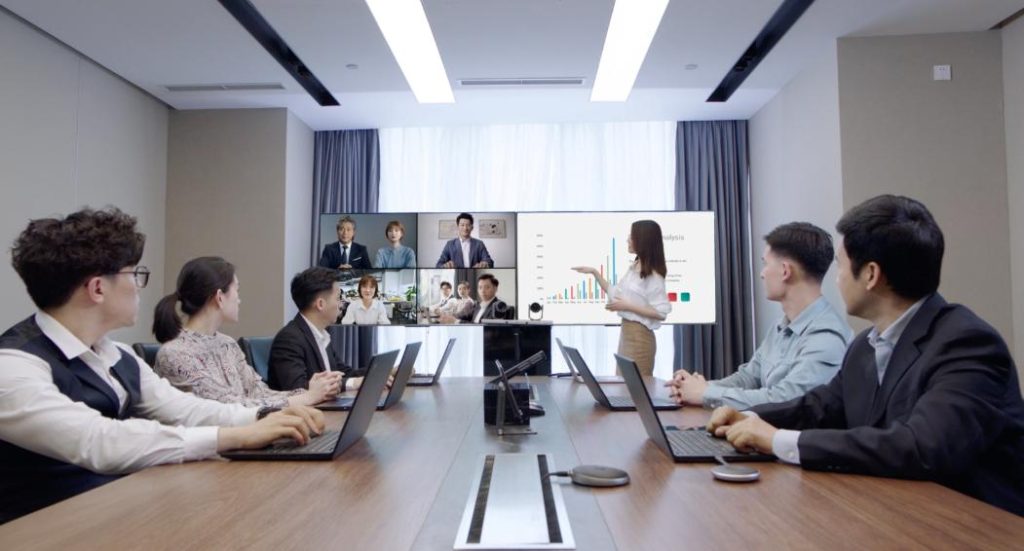
Selecting between IPS and VA for commercial displays does not depend on picking one technology as the universal winner; rather, it must fit with how your space actually functions.
As the technology of choice for most meeting room applications, IPS generally provides more consistent readability across different seating positions and lighting conditions. Also VA deserves its place where deep contrast and low-light performance matter most.
With over 30 years experience in manufacturing, Tenfly has the capacity to produce 20,000 units per month across 8 manufacturing lines, featuring rigorous quality control processes as well as CE, FCC, and RoHS compliance. If you are searching for displays to suit an office or conference environment, browse the interactive displays for meeting and learn more about the business solution for your meeting environment.
Contact Tenfly today for a free consultation.