
Why Industrial Fanless Mini PCs Are Becoming the Preferred Edge Computing Hardware for Smart Factories?

Daisy Li
Display Solutions & Product Technology Expert
Specializing in OEM/ODM smart display solutions from 21.5″ monitors to 110″ interactive flat panels, with expertise in product configuration, system integration, quality control, and bulk project delivery for global B2B markets.
Follow me:
Walk into a modern factory floor and you’ll likely find powerful computing equipment tucked inside dusty control cabinets, running 24/7 in environments no standard PC was built for. As manufacturers push toward Industry 4.0, automating everything from quality inspection to supply chain logistics, the demand for reliable, compact computing at the machine level has never been higher.
The trouble is that conventional computers weren’t built for these conditions. Fans clog, components break, and downtime is pricey. This is where the industrial fanless mini PC comes in. In this guide, we will analyze the reasons why this form factor has become one of the preferred choices of edge computing hardware for smart manufacturing environments.
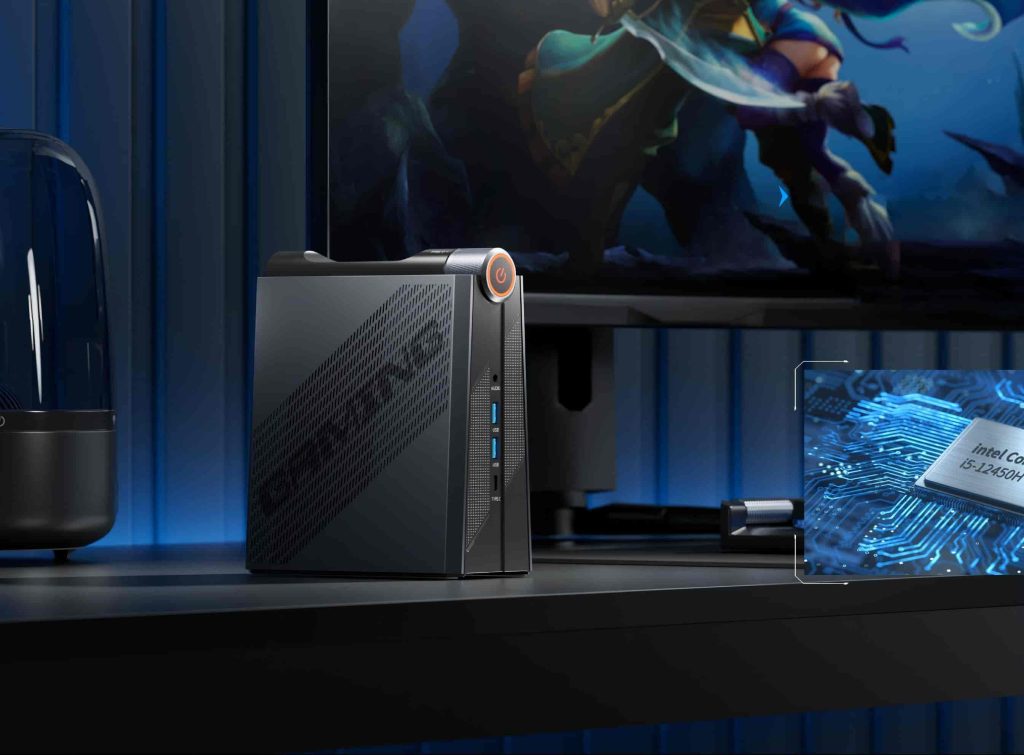
The Harsh Realities of Smart Factory Computing
Before you go into the hardware selection, it’s helpful to know what these gadgets deal with on a daily basis. Factory floors are brutal places and ordinary office-grade equipment doesn’t last long in them.
- Airborne Contaminants: Dust, metal debris, and chemical residues are found throughout manufacturing facilities. Traditional fan-cooled PCs pull air through their internal vents all the time. And with that air comes everything floating in it. Fans clog over time, thermal performance deteriorates, and breakdowns occur.
- Constant Mechanical Vibration: CNC machines, conveyor belts and industrial presses cause non-stop vibration. This mechanical force can loosen connectors, shatter solder joints and harm internal components over time, especially anything with moving parts.
- Extreme Thermal Fluctuations: Controlled temperatures are a challenge on factory floors. Temperatures might vary from start-up in the morning to peak output hours. Hardware that cannot manage this range will throttle, crash, or fail prematurely.
Why An Industrial Fanless Mini PC Is an Increasingly Popular Choice
So what makes fanless so great in these conditions? It’s not simply about removing the fan. A decent industrial fanless mini PC will feature a solid aluminium chassis with built-in heatsink fins to dissipate heat passively, a process known as passive cooling. The heat is pulled from the processor directly into the metal body and subsequently out through the surface area. There are no cooling fans whatsoever.
This method essentially removes the most prevalent mechanical failure spots. Here is how it stacks up against a standard fan-cooled PC in an industrial environment:
Comparison Table
| Feature | Traditional Fan-Cooled PC | Industrial Fanless Mini PC | Benefits of Industrial Fanless Mini PC in Smart Factories |
| Cooling Mechanism | Active (Fans & Vents) | Passive (Heatsink Chassis) | Zero noise, zero dust intake |
| Vibration Tolerance | Low to Medium | Very High (Solid State) | Prevents unexpected downtime |
| Maintenance Need | Regular filter cleaning | Low Maintenance | Drastically lowers IT labor costs |
| Lifespan | Typically shorter in harsh environments | Typically longer due to fewer moving parts | Higher ROI for long-term projects |
Where Fanless Mini PCs Are Used in Industrial Automation
The move towards smarter production is happening at a rapid pace. Driving this revolution is edge computing, where data is processed at the source instead of a faraway data center.
Why Edge Computing Demands Rugged Hardware
When a factory machine needs to respond in milliseconds, waiting for data to travel to the cloud and back simply isn’t an option.
On the production floor, there is no room for lag with real-time control. In an office environment a second’s delay is hardly perceptible, but in factories choices like stopping a broken production line typically have to be made in milliseconds.
Cloud processing simply doesn’t suffice. The round journey alone has too much latency. That’s why computing needs to happen right next to the machine, not in a server room on the other side of the building.” This means devices are placed right on the production floor under conditions that would quickly cripple any normal hardware.
That’s the reason the industrial mini PC for edge computing has become such a practical alternative. It offers genuine processing power where it’s needed, in a robust design that can truly endure that.
Machine Vision and Automated Quality Inspection
Real-time image processing on a production line requires very minimal latency. When you are inspecting hundreds of parts per minute, there is no room for lag. That’s what a fanless mini PC for industrial automation does by:
- Local processing, no cloud dependency: High-resolution camera feeds are processed on-device, keeping the inspection loop tight and fast, without reliance on cloud bandwidth.
- AI inference at the edge: Models are deployed locally to detect surface defects, dimensional mistakes or labelling problems in real time, without having to communicate with a remote server.
- Instant automated response: The system’s rejection or alert significantly faster than relying solely on cloud processing, so the queue keeps moving and reject rates stay low.

IoT Gateways for Predictive Maintenance
Many factories still run on outdated PLC equipment that was never intended to talk to newer cloud systems. An industrial fanless mini PC can help fill that gap:
- Bridging legacy and modern systems: Many production machines still use older protocols. An industrial fanless mini PC serves as an IoT gateway, converting those legacy signals into formats recognised by today’s cloud platforms and analytics tools.
- Real-time sensor data aggregation: Local streaming and aggregation of temperature readings, vibration patterns, and pressure levels, providing a continuous picture of each machine’s state.
- On-site predictive analytics: Rather than waiting for a machine to fail, local analytics models detect anomalies early, allowing maintenance personnel to take action before a little problem becomes an expensive unexpected outage.
Real-Time Production Monitoring and HMI Systems
This is likely the most noticeable use case on the shop floor, usually powered by a fanless mini PC for smart manufacturing environments:
- SCADA dashboards: Providing operators with real-time production status across several lines
- MES terminals: Data linking to manufacturing execution systems
- Production line visualization: Real-time visualization of throughput, yield rates, and alarms
- Local data processing: Critical data processing on-site for security and speed
How to Specify the Right Industrial Mini PC
Naturally CPU and RAM count. However, there are a few more considerations that are easy to ignore when specifying a mini PC for industrial application, and often they are more significant in the longer term.
- Legacy and Modern I/O Ports: Make sure it supports dual LAN, USB 3.0, and legacy serial ports like as RS232/422/485. Many factory machinery are outdated and use these older ways of communication. Without them Integration becomes a big pain.
- Wide Voltage Input with OVP/OCP: Factory power supply can be unreliable sometimes. Look for units that include a wide-range DC input and built-in Over-Voltage/Over-Current Protection (OVP/OCP) to protect against power surges.
- Flexible Mounting Options: Cabinet space is at a premium. DIN-rail, wall mount and VESA mounting options means you may put the unit in unusual spots without specialised brackets.
- Operating Temperature Range: Ensure the unit is rated for extended temperature operation, typically −20°C to 60°C or wider. “industrial grade” is not a given unless you verify the spec sheet.
- Industrial Certifications and Reliability: Verify EMC compliance, vibration resistance, and long-term product availability. These factors help reduce downtime and simplify maintenance throughout the system lifecycle.
The Next Step in Industrial Efficiency
Smart factory computing is no longer about getting the fastest processor. It’s getting the hardware that doesn’t fail you at 3 o’clock in the morning on a production deadline. This industrial fanless mini PC ticks all the boxes: no moving cooling components, no dust intake, no noise and a long service life that makes it worth the investment.
Whether you need a standard configuration or a fully customized OEM solution, explore mini PCs lineup and OEM service to find the right fit.
Contact Tenfly today for a free consultation.