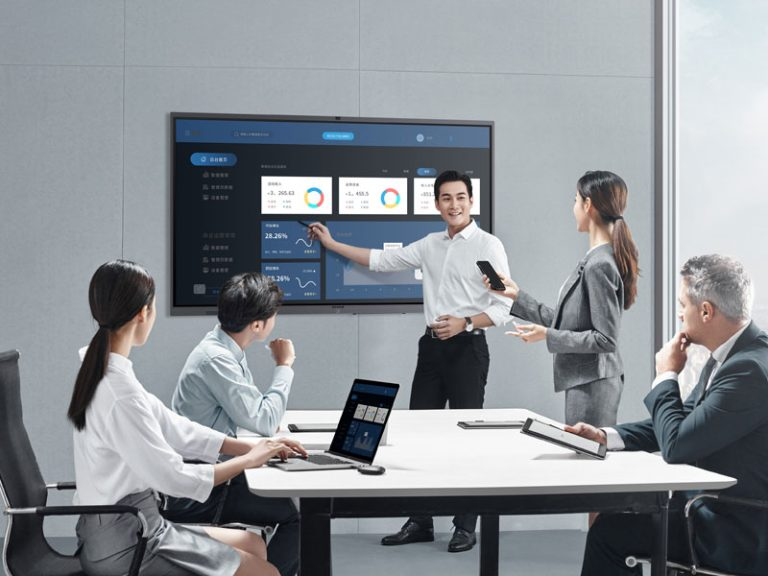

Infrared vs Capacitive Touch: Which Is Better for Interactive Displays?
|

Why NFC Login Makes Shared Interactive Displays Easier to Use?

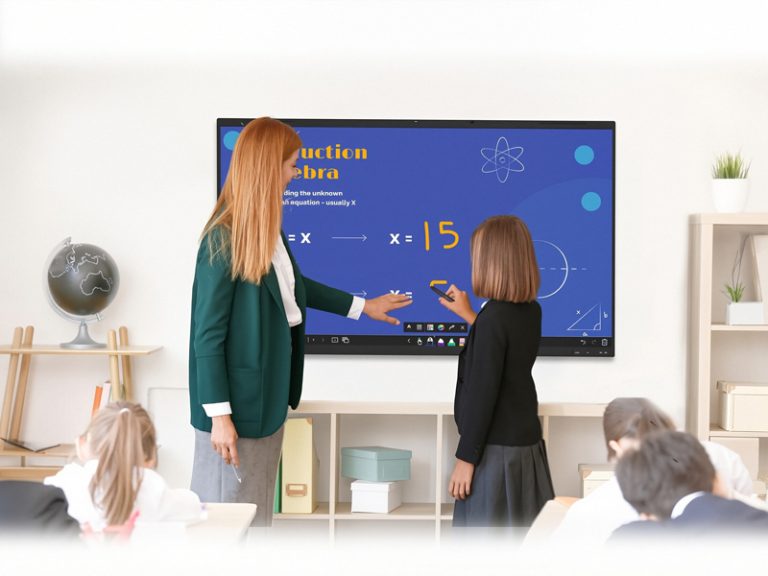
Imagine a teacher stepping into a classroom, tapping their ID card on the display and they are ready to teach within seconds. No password to enter, no shared login to remember, no waiting. That is what NFC login brings to shared interactive displays, and it is a change that more schools and businesses are beginning…
interactive flat panels for education
|

Why USB-C Is Becoming Increasingly Important for Interactive Displays

You enter into a conference room ready to present and the last thing you want is to spend the first few minutes looking for the right cable. But this is exactly what is happening in many communal places. Someone has a modern laptop that doesn’t have a full size HDMI connector, the USB cable for…

interactive flat panel
|

What Size Interactive Flat Panel Do You Need for a 12-Person Meeting Room?

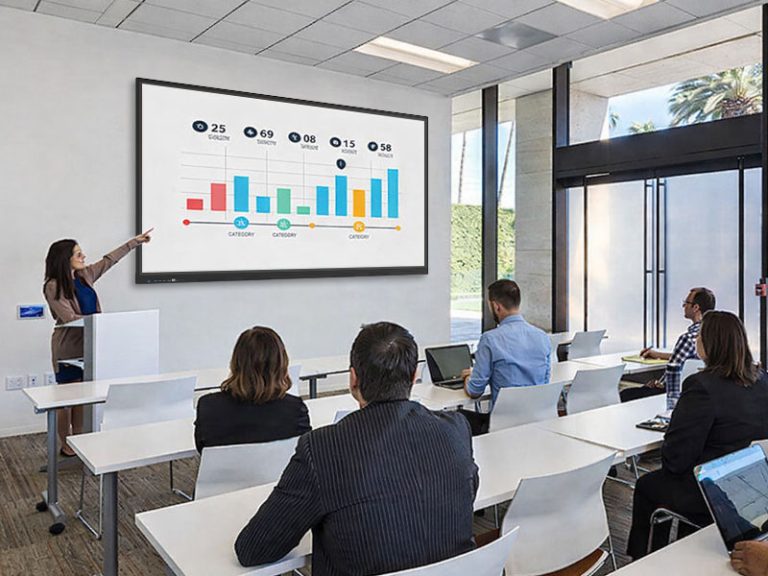
When outfitting a 12-person meeting room, seating capacity is only part of the equation. While 75″ to 86″ is the sweet spot, choosing the perfect size comes down to viewing distance and content density. In modern corporate setups, an 86-inch screen is the benchmark for 10–14-person rooms. If your budget permits, always lean toward 86…

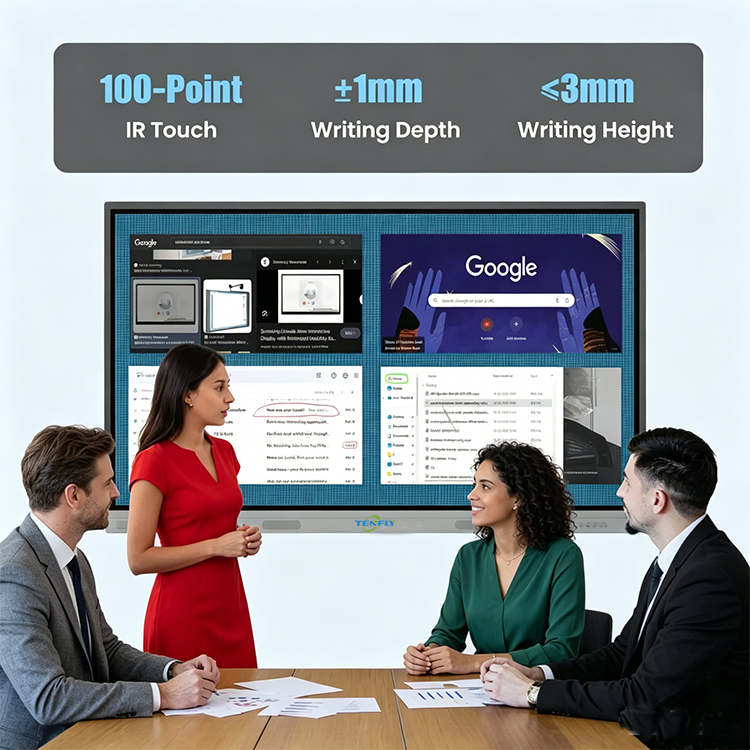
Infrared vs Capacitive Touch: Which Is Better for Interactive Displays?
|

5 Common Mistakes Companies Make When Installing Interactive Flat Panels, & How to Fix Them

Your conference room recently invested a large-format interactive flat panel, complete with high resolution, multi-touch capabilities and wireless casting capability. Then the installation day arrives, and things start going sideways: the screen is mounted too high for anyone to reach, cables are trailing across the floor, and the laptop won’t connect. After working with dozens…

EDU flat panel
|

5 Proven Ways Interactive Flat Panels are Transforming Modern Classrooms

Walk inside a classroom where students cluster around a giant touchscreen, writing on it together, casting their tablets to the front display without leaving their seats, or watching a live 3D cell model spin on screen during biology class. That’s not a picture of the future, that’s what well-deployed interactive displays for teaching look like now. Yet…

End of content

End of content