
The Education Interactive Flat Panel Market in 2025: Implications for 2026 Buyers
While overall shipment growth appears modest, a profound, multi-billion dollar shift is underway: schools worldwide are moving beyond simply acquiring hardware to seeking intelligent, healthy, and policy-compliant solutions for the next-generation classroom.
The global education interactive flat panel market in 2025 is defined by a subtle yet significant transition. Shipments reached approximately 672,000 units, with a modest year-over-year growth of 1.6%.
Beneath this surface-level calm, a powerful undercurrent of change is reshaping procurement priorities. The market has decisively shifted from a phase of “extensive procurement” for basic coverage to an era of “refined deployment,” focused on pedagogical impact, ecosystem integration, and regulatory compliance. For educational institutions planning their 2026 investments, understanding this new logic is essential.

Policy-Driven Markets: The New Global Procurement Engine
The primary force driving the education interactive display market is no longer just budget allocation but a wave of national digital education strategies. The core procurement logic has evolved from “buying a device” to “acquiring a policy-aligned digital teaching solution.”
Emerging and mature markets exemplify two distinct policy-driven models.
In Thailand, India, and similar emerging economies, governments are launching large-scale initiatives to build foundational digital infrastructure in schools. These projects are characterized by centralized funding and massive tenders aimed at rapidly bridging the hardware gap.
Conversely, mature markets like South Korea and Singapore have pivoted towards “refined governance” and “high-quality application.” Policies here focus on how technology fosters collaboration, protects student well-being, and often regulate the use of personal mobile devices in classrooms. This indirectly boosts demand for interactive flat panels as a compliant, centralized tool for interaction.
Furthermore, initiatives like the EU’s focus on building digital competencies and China’s development of its National Smart Education Platform ecosystem point in one clear direction: future procurement will be deeply intertwined with official digital learning architectures.

Emphasis on Teaching Interaction and Teacher Development
With basic hardware deployment largely achieved, the critical evaluation criterion for an interactive flat panel for education is now its demonstrable ability to enhance teaching and learning outcomes. This revolves around two pillars: engaging student interaction and committed teacher development.
Seamless classroom interaction and software integration are paramount. Modern classrooms require displays that support simultaneous multi-touch operation by several students for collaborative problem-solving. More importantly, a device’s ability to integrate seamlessly with the school’s existing Learning Management System (LMS), assessment platforms, or regional educational resource banks is what determines its daily utility and value. Isolated “island” devices are being phased out.
Comprehensive teacher professional development is the key to preventing expensive technology from gathering dust. Many tender documents now explicitly evaluate the scope, quality, and ongoing support of the training provided by the vendor. A superior supplier acts not just as a hardware provider but as a true partner in helping educators cross the digital pedagogy chasm.
Suppliers who provide structured professional development, like Tenfly’s integrated Smart Education Solutions, ensure technology empowers rather than overwhelms educators.

Health & Compliance: The Non-Negotiable Benchmarks
Global policy attention on student eye health and classroom digital safety has elevated health and compliance features from nice-to-have extras to mandatory purchasing criteria for interactive flat panels for schools.
Eye-protection technology is now standard. Reviewing international tender specifications reveals that requirements for “low blue light certification,” “flicker-free technology,” “ambient light sensors,” and “paper-like display modes” are becoming commonplace. These are increasingly written into the mandatory technical specifications of procurement documents.
Equally critical are robust device management capabilities. In classrooms with restrictions on personal electronics, the interactive panel serves as a managed hub. Features like centralized control, content filtering, scheduled power management, and user permissions help schools maintain a focused learning environment and meet administrative policies.
Key Health & Compliance Considerations for 2026 Procurement
| Dimension | Technical/Functional Requirements | Policy & Need Driver |
| Visual Health | Low Blue Light Certification, Flicker-Free DC Dimming, Anti-Glare Glass, Color Temp Adjustment | Addressing rising global concerns about student myopia and societal demand for healthier classrooms. |
| Device Management & Safety | Centralized Control Software, Content Filtering, Scheduled Access, User Role Management | Aligning with school digital device policies to ensure network security and classroom order. |
| Physical & Environmental Safety | Low-Noise Cooling, Low Emission Materials, Durable & Impact-Resistant Design | Meeting stringent health, safety, and environmental standards for educational facilities. |
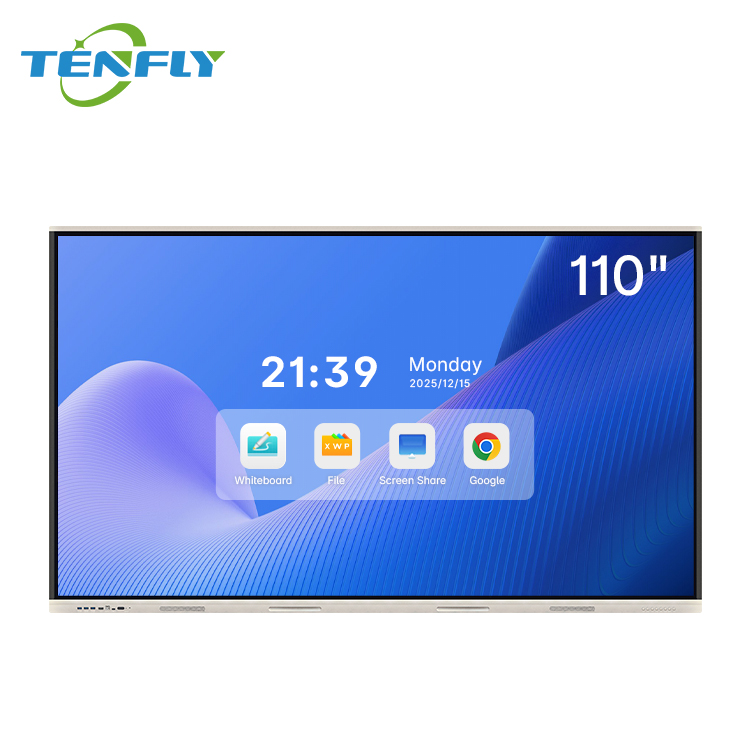
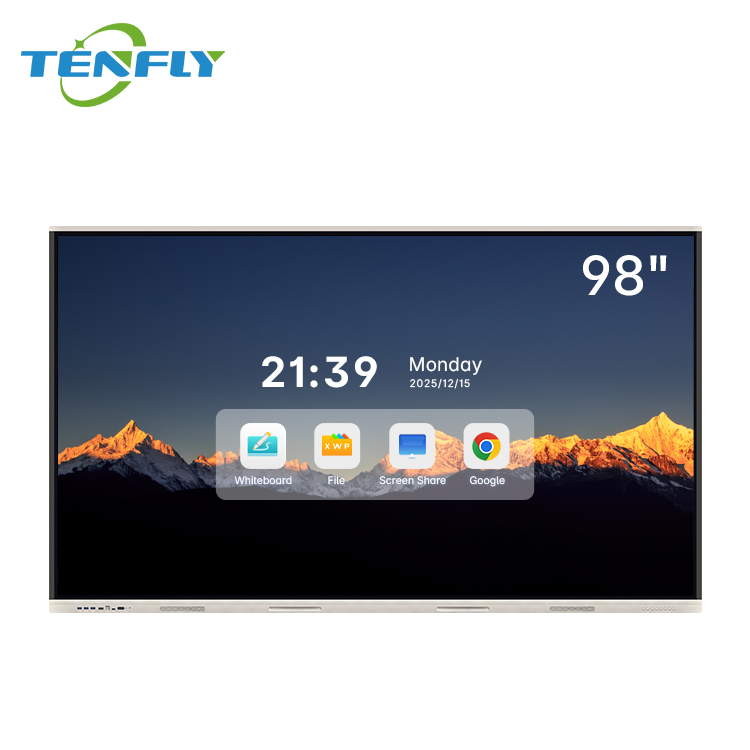
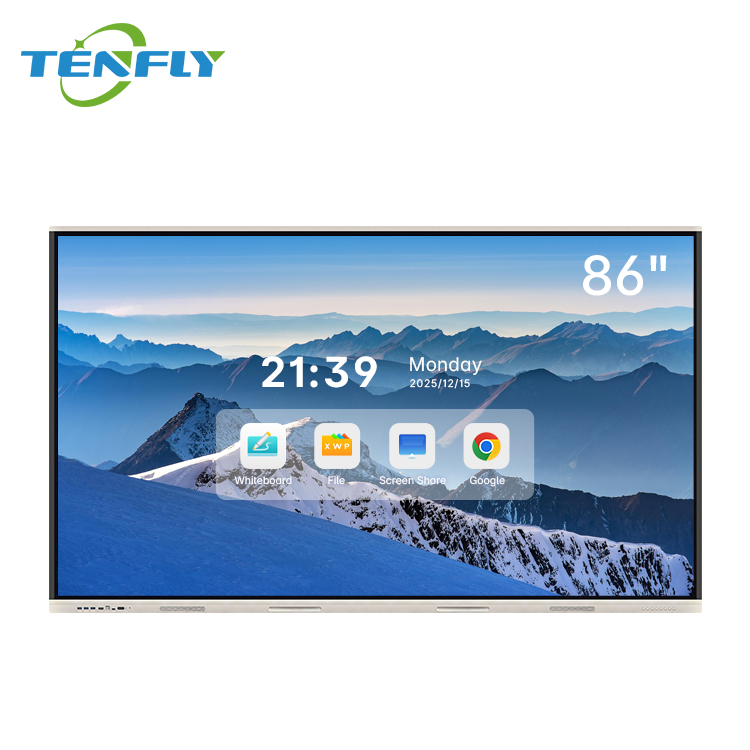
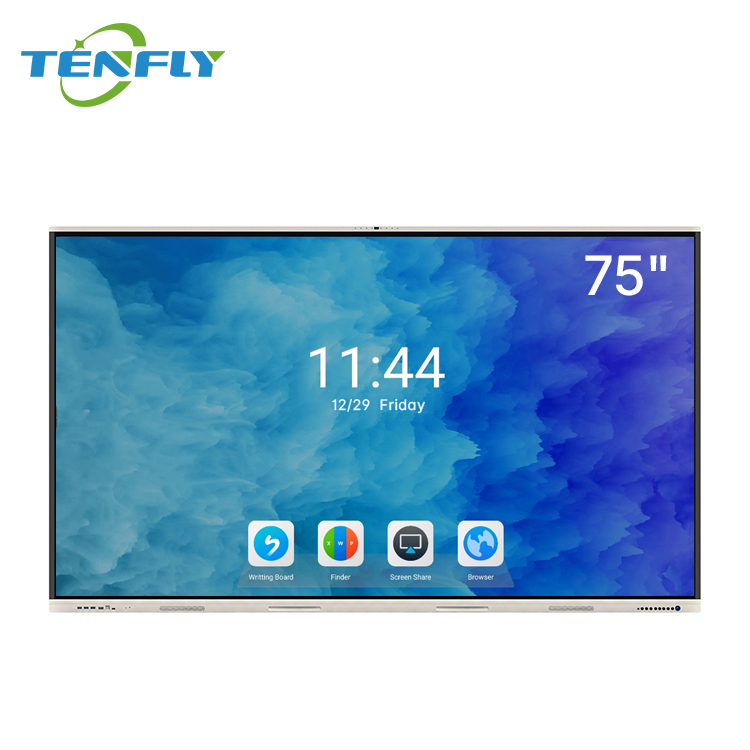
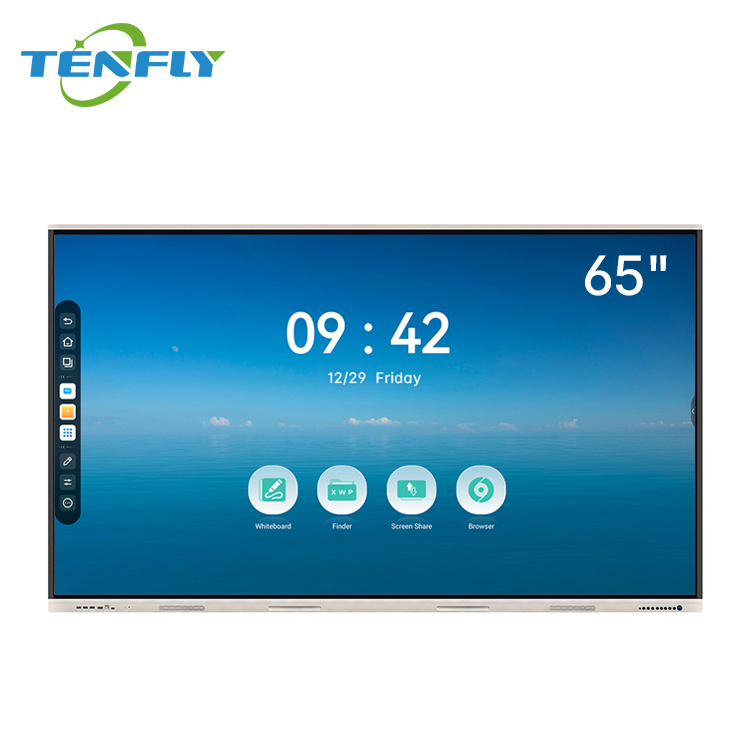
Leading models now incorporate advanced optical bonding and anti-glare treatments to minimize reflections, a feature detailed in the specifications of high-performance interactive flat panels.

Choosing a Partner: A Checklist for 2026
Selecting a supplier for your 2026 project requires a holistic evaluation beyond hardware specs. An ideal partner must demonstrate strength in localized service, educational policy insight, and proven experience.
A robust localized service and support network is critical. Educational technology requires reliable installation, maintenance, and rapid troubleshooting. A supplier’s ability to provide timely technical support and spare parts within your region is fundamental to ensuring uninterrupted learning.
Deep understanding of regional educational policy is a significant advantage. Whether it’s the digital action plans in Europe or a national smart school blueprint in Southeast Asia, a supplier that can interpret these policies and align its product roadmap accordingly helps your institution make a future-proof investment.
Finally, a portfolio of relevant past projects is the ultimate validation. Experience in delivering large-scale government initiatives or projects for reputable international schools serves as strong evidence of a supplier’s reliability and comprehensive service capability.
As the global market shows regionalized growth patterns—with mature markets like North America in a refresh cycle while regions like Southeast Asia experience a new wave of digitalization—a one-size-fits-all procurement approach is obsolete.
The decision logic for selecting a 105-inch widescreen flagship model for a large lecture hall is entirely different from equipping standard classrooms with cost-effective 75-inch or 86-inch interactive panels.
What remains constant is that a successful procurement starts with a clear insight into core pedagogical needs and is realized through a trusted partnership with a capable supplier.
Find out more about our Smart Education Interactive Display Solutions here: