The Commercial Interactive Display Market in 2025: Key Insights for 2026 Buyers
If we imagine the global commercial interactive display market as a race, 2025 marked the year it shifted from a steady pace into a decisive sprint. Despite a complex economic landscape, this market has demonstrated remarkable resilience. Current forecasts indicate that from 2025 to 2031, the global interactive flat panel market is expected to expand at a compound annual growth rate (CAGR) of 7.3%. The broader commercial display segment itself reached a substantial $27.7 billion in 2025 and is projected to grow to $55 billion by 2035.
This growth story is fueled not by simple device replacement, but by a concentrated surge in global demand for enterprise digital transformation. Whether it’s efficiency upgrades in mature North American corporations or the rapid digitization of small and medium-sized businesses (SMBs) in emerging Asian markets, this “intelligent screen” is at the heart of the change.
For international buyers planning their 2026 procurement, understanding the drivers, technological evolution, and strategic approach behind this trend is crucial to ensuring their investment translates into tangible gains in collaboration efficiency and business value.



Global Hotspots & Vertical Deep Dive: Where is the Demand Coming From?
Demand for commercial interactive flat panels is now characterized by a dual trend of “regional divergence” and “industry penetration.” Understanding this is the first step to formulating a precise procurement plan.
Regionally, the market shows a pattern of stable leadership in mature markets coupled with rapid catch-up in emerging ones. North America remains a dominant single market, holding a significant global share, thanks to its mature corporate infrastructure and continuous high investment in efficient collaboration tools. Simultaneously, the Asia-Pacific (APAC) region is widely regarded as the fastest-growing market. Countries like China and India, driven by smart city initiatives, digital infrastructure projects, and enterprise modernization, are unleashing enormous demand potential.
More importantly, demand is deepening across various industries. These displays are no longer confined to boardrooms but are flourishing in sectors like healthcare, retail, finance, hospitality, and even government. For instance, in healthcare, they are used for remote consultations, case discussions, and patient education. In retail spaces, they transform into smart terminals for product display, interactive experiences, and self-service inquiries. This shift “from generic to specialized” means procurement must focus more on how well the device integrates with specific industry workflows.
Table: Characteristics and Procurement Focus for Key Regional Commercial Interactive Display Markets in 2026
| Regional Market | Market Characteristics | Key Procurement Focus for 2026 |
| North America | Mature market, stable demand, high focus on efficiency & ROI | Top-tier collaboration ecosystem compatibility (e.g., Teams/Zoom certification), powerful AI features, data security |
| Europe | Stringent environmental & data regulations, demand for high-quality solutions | Environmental certifications (e.g., energy efficiency), data compliance (like GDPR), localized service support |
| Asia-Pacific (APAC) | Rapid growth, highly diverse demand (from MNCs to SMBs) | Strong cost-performance ratio, adaptive products, responsive local deployment & after-sales network |
| Other Emerging Markets | In build-out or refresh cycles, higher price sensitivity | Total Cost of Ownership (TCO), product durability & reliability, robustness of core collaboration features |
The Three Pillars of Tech Selection: Ecosystem, Intelligence, and Space
As the market matures from “having the tool” to “using the right tool well,” the criteria for technical selection have become more refined and practical. Your 2026 procurement decision should revolve around these three core metrics.
1. Collaboration Ecosystem Compatibility is Your “Entry Ticket”
In an era where hybrid work is the global norm, an interactive flat panel for conference that doesn’t seamlessly integrate with mainstream platforms loses significant value. Official certification for Microsoft Teams Rooms, Zoom Rooms, and similar platforms has become a hard requirement for multinationals and professional organizations. This certification guarantees optimal performance for audio, video, content sharing, and meeting controls, eliminating compatibility headaches. Make this a primary filter in your selection process.
2. AI & Intelligence is the “Efficiency Engine”
Artificial Intelligence is rapidly moving from concept to practical features that directly enhance meeting productivity. Key AI applications to evaluate include: real-time speech-to-text and multi-language meeting minute generation, breaking down language barriers in global calls; automatic speaker tracking and camera framing to improve engagement for remote participants; and even data-driven insights for presentation content. When assessing AI, prioritize its accuracy and usefulness in real-world scenarios over a mere list of buzzwords.
This drive towards intelligent meetings is at the core of modern solutions, much like the AI-powered features integrated into Tenfly’s comprehensive business conference solutions, which aim to streamline the entire meeting workflow.
3. Size & Deployment: The “Art of Space”
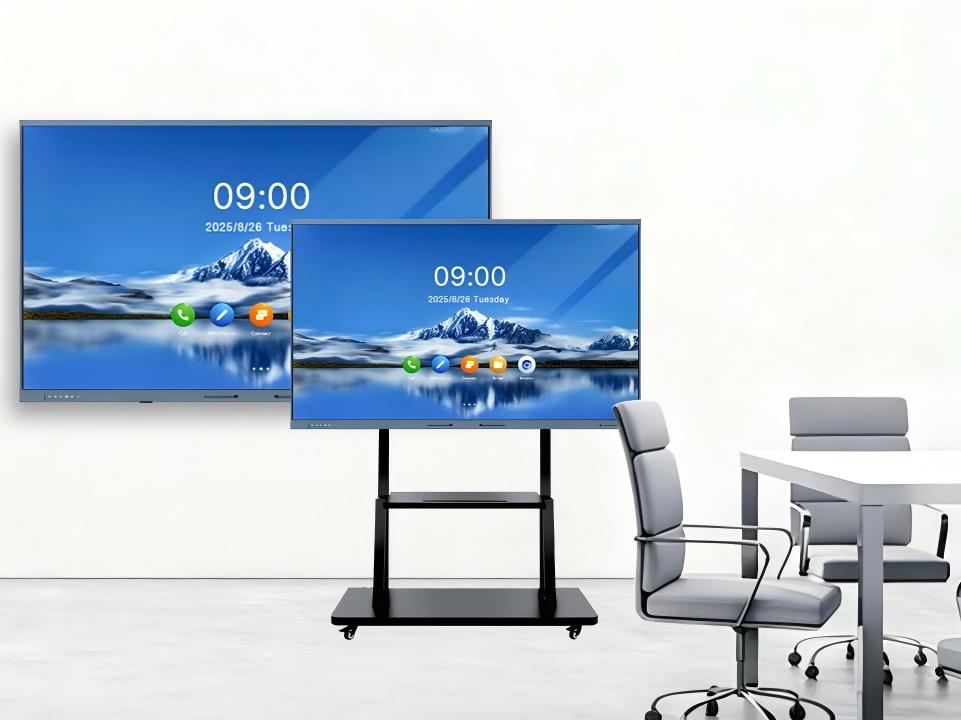
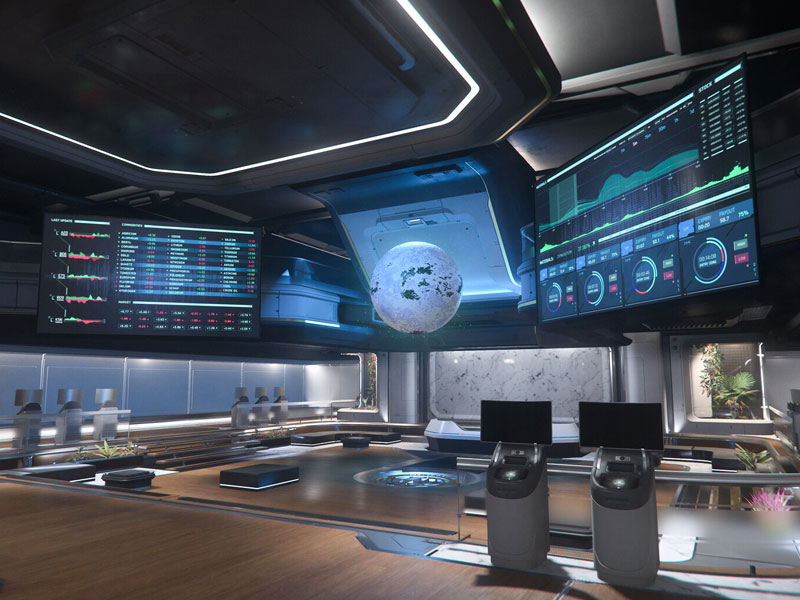
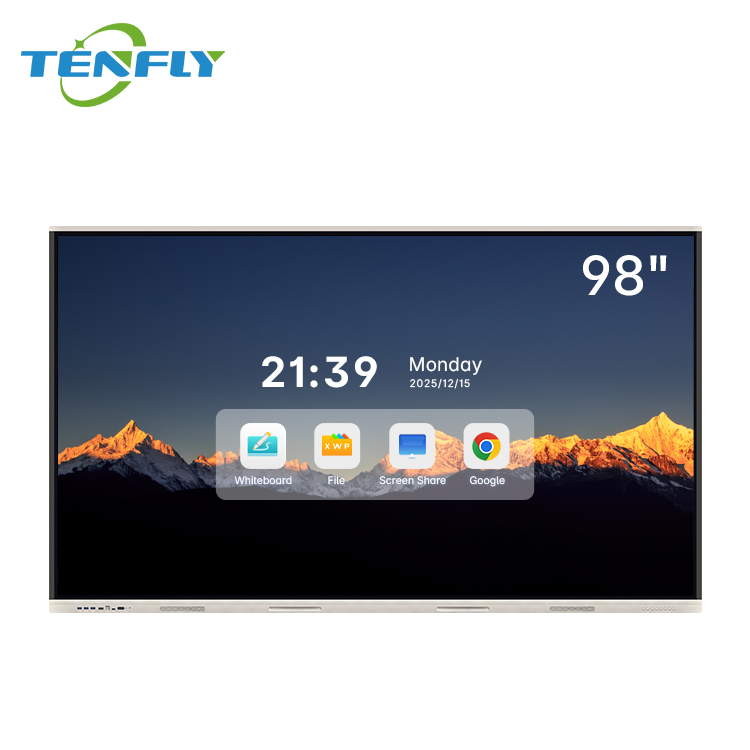
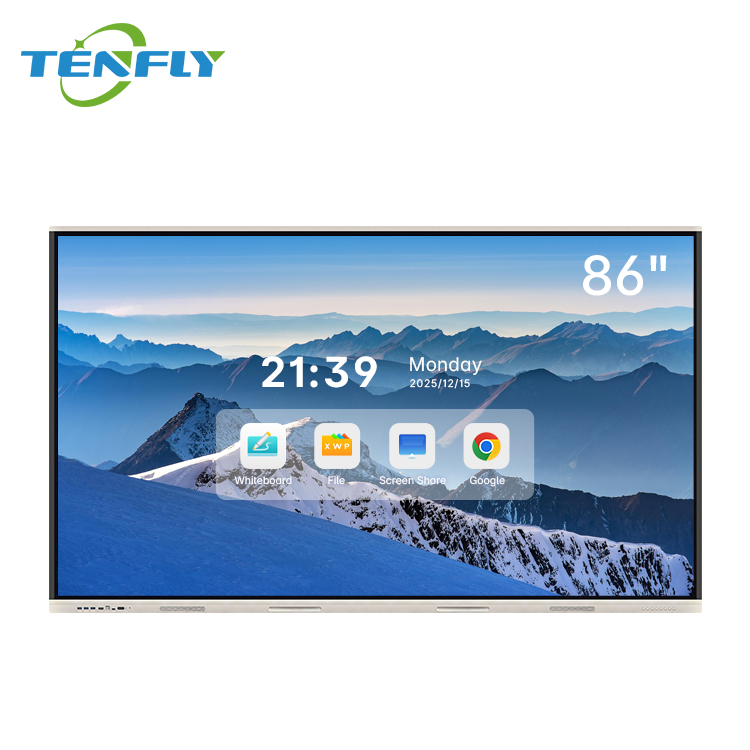
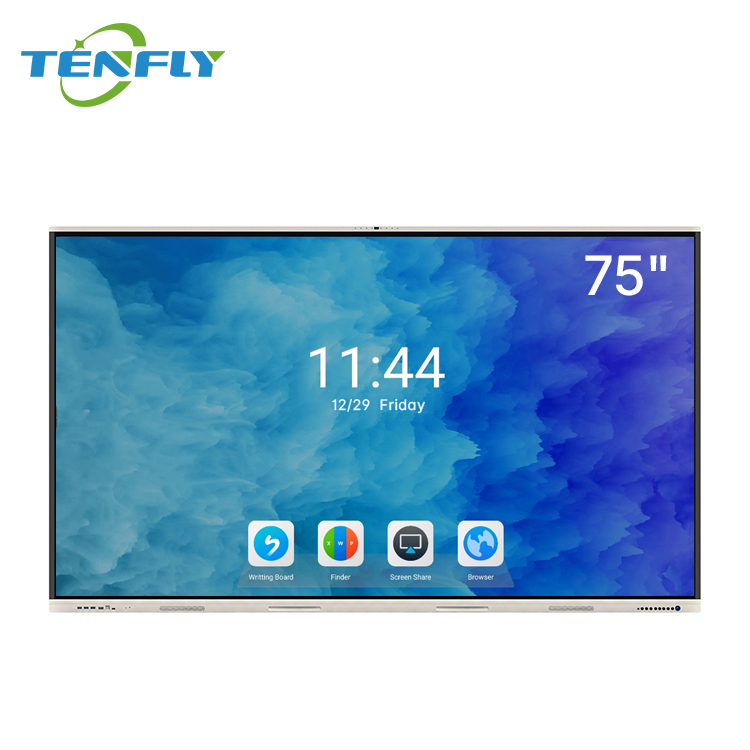
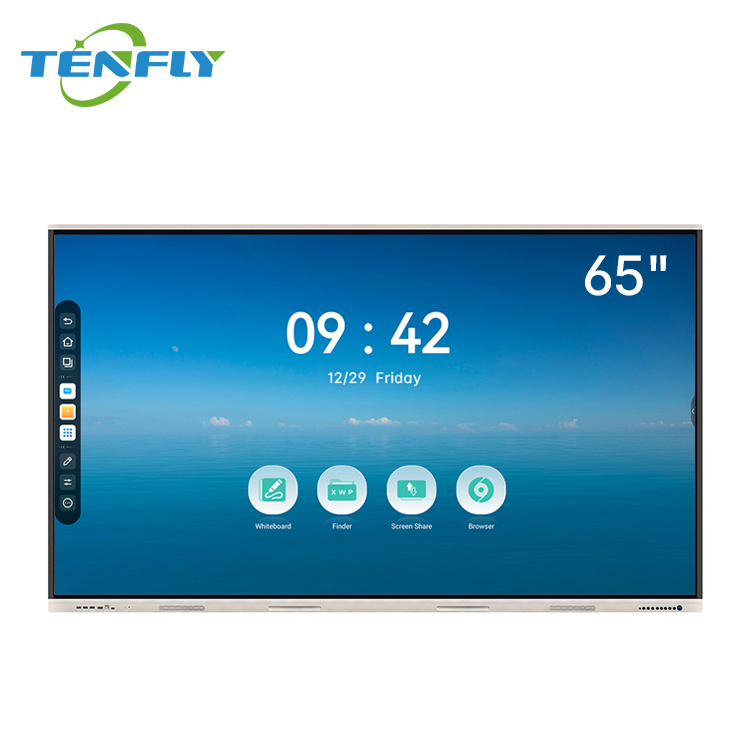
Choosing the right size is no longer just about budget; it’s about space design and collaboration style. Currently, mid-sized panels between 56 and 75 inches are the market mainstream, offering an excellent balance of viewability and space footprint. However, large and extra-large panels over 75 inches are experiencing the fastest growth. They are ideal for spacious meeting rooms, training centers, and command halls, creating an immersive experience. Before purchasing, carefully measure your room, calculate optimal viewing distances, and assess complexities like wall mounting, cable management, and network integration.
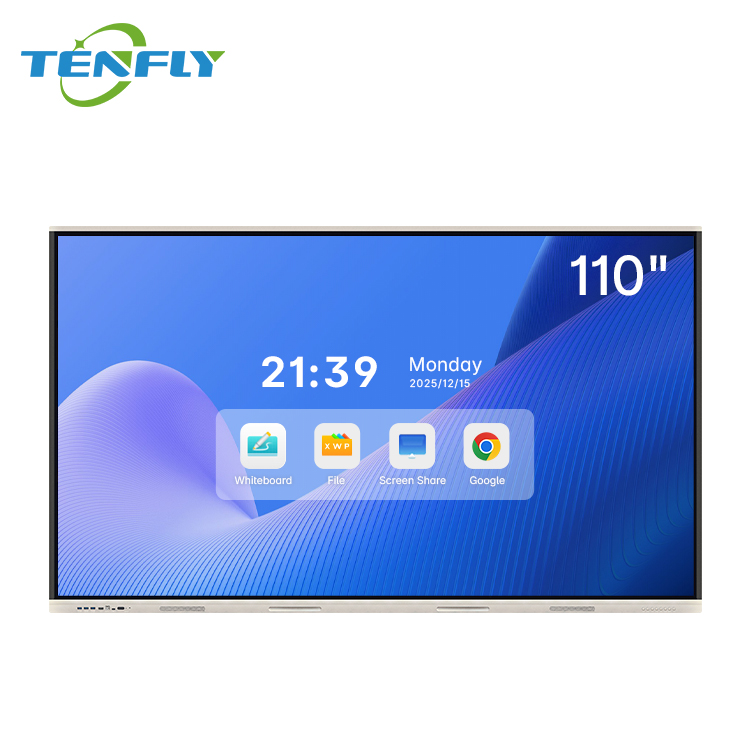
Navigating size options is easier with a manufacturer that offers a complete matrix. Buyers can explore a range of proven options, from 65-inch to 98-inch large format touch screen monitors, on dedicated product pages like Tenfly’s interactive flat panel series.

Calculating the Real Price: Total Cost of Ownership (TCO)
For international buyers, especially those managing multi-country deployments, the sticker price is just the tip of the cost iceberg. A rational 2026 procurement strategy must be built on a comprehensive evaluation of Total Cost of Ownership (TCO).
- Beyond the Price Tag: In addition to the unit cost, you must factor in international logistics and insurance, import duties and VAT in the destination country, and local professional installation and commissioning fees. Also, some advanced software features or cloud services may require annual subscriptions.
- Hidden Costs are Critical: The biggest risks often lie downstream. Speed of after-sales response, availability of repair parts, and the proficiency of local technical support directly impact the device’s lifespan and your team’s productivity. A repair process that takes weeks due to international shipping can cause business disruption costs far exceeding the device’s value.
- The Value of Standardized Service: Therefore, prioritizing global brands or partners that can deliver a consistent service standard across regions is vital. This ensures that no matter where a device is deployed, it receives the same quality of technical support, significantly reducing management complexity and long-term risk.

A Step-by-Step Framework for Smart Procurement
For enterprises planning large-scale or global rollouts, we recommend following this systematic decision path to manage risk and ensure a successful outcome.
Step 1: Define Your Needs & Scenarios
Bring together IT, facilities, and key business teams to pinpoint core needs: Is this for a small huddle room for daily team brainstorming, a premium boardroom for client presentations, or a digital command center for operations monitoring? Each scenario has vastly different requirements for size, functionality, and reliability.
Step 2: Set Your Tech Bar & Create a Shortlist
Based on Step 1, draft a detailed Request for Proposal (RFP) or requirements list, highlighting must-haves like collaboration certifications, AI functions, and security compliance. Use this to create a preliminary shortlist of 3-5 qualified interactive flat panel suppliers or manufacturers.
Step 3: Dig Deeper & Test Drive
Ask shortlisted vendors for reference cases in your industry or region. The most critical step is to conduct a small-scale pilot or proof-of-concept (PoC). Place the device in a real work environment and let actual end-users evaluate its ease of use, stability, and feature fit.
Step 4: Negotiate & Finalize the Full Picture
With pilot results in hand, move to commercial negotiations. Focus on obtaining a comprehensive TCO quote that includes all foreseeable costs. Crucially, finalize a Service Level Agreement (SLA) that clearly defines response times, resolution times, and parts availability.
Step 5: Roll Out in Stages & Keep Improving
Adopt a phased, rolling deployment strategy instead of a “big bang” replacement. After each phase, gather user feedback and work with the supplier to optimize settings and training materials, ensuring each subsequent phase runs more smoothly.
Market growth data paints the broad picture, but successful procurement is about precise execution. In 2026, competition in the commercial interactive display space will move beyond hardware specs, deepening into the realms of ‘scenario-specific solutions’ and ‘full lifecycle service.’
For the astute buyer, this means a successful purchase is more than acquiring advanced hardware. It’s about integrating a digital hub that enhances collaboration, connects global teams, and grows alongside your business. With the right hub in place, every meeting, presentation, and decision can become more fluid, intelligent, and productive. The goal is to move from simply buying a tool to unlocking a better way of working together.
For more business display solutions, find out from: